Can I Paint Tile Edge Trim? (Metal vs. PVC Guide)
- Share
- publisher
- Ciel
- Issue Time
- May 31,2026
Summary
Can you paint PVC or metal tile edge trim? Yes, but it comes with big risks. Discover the step-by-step painting guide and why factory-finished profiles from DYM Decor are a smarter, chip-free alternative.
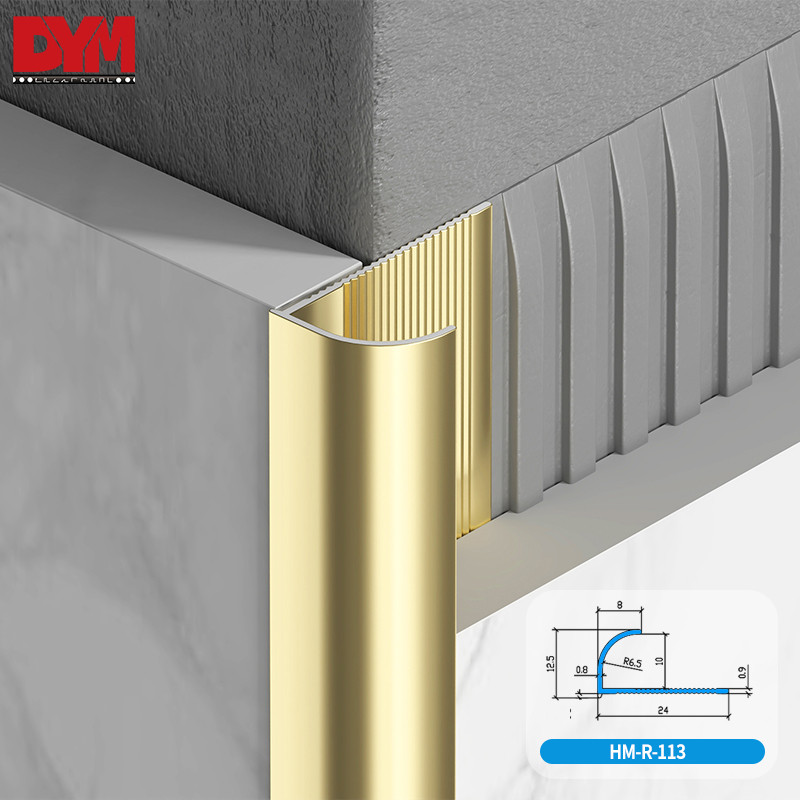
When remodeling a kitchen or bathroom, you might wonder: Can I paint tile edge trim? Whether your old trim has yellowed with age or the color simply doesn't match your new 2026 design theme, painting seems like an easy weekend DIY fix.
The short answer is yes, you can paint tile edge trim—but the success, risks, and steps depend entirely on whether your trim is made of Metal or PVC.
Here is a professional breakdown of how to do it, the risks involved, and why replacing them might be a smarter investment for your project.
1. Painting PVC (Plastic) Tile Trim
a. PVC trims are common in budget-friendly installations. Over time, they tend to yellow under UV light or look dated.
b. The Risk: PVC is highly flexible and non-porous. Standard paint will not bond to it; it will crack and peel off the moment the trim flexes or gets bumped. Furthermore, bathroom moisture will easily get under the paint layer.
The Step-by-Step Process:
a. Clean & Degrease: Scrub thoroughly with rubbing alcohol to remove soap scum and oils.
b. Sand for "Teeth": Lightly sand the PVC with 400-grit sandpaper to roughen the smooth surface so the paint can stick.
c. Apply Plastic Primer: You must use a specialized plastic-bonding primer (such as a spray-on adhesion promoter).
d. Paint & Seal: Apply two thin coats of acrylic latex paint, followed by a clear, waterproof topcoat.
2. Painting Metal Tile Trim (Aluminum or Stainless Steel)
a. High-quality metal trims, like those manufactured by DYM Decor, are durable but require an entirely different approach if you want to change their color.
b. The Risk: Anodized aluminum and stainless steel are engineered to repel substances. Traditional wall or metal paint will slide right off. If used in a shower or backsplash area, constant water exposure will cause the paint to chip within months, revealing the silver metal underneath and creating an eyesore.
The Step-by-Step Process:
a. Heavy Etching: Sand the metal surface with 220-grit sandpaper to break the factory anodized seal.
b. Self-Etching Primer: Apply a coat of self-etching primer. This chemically bonds with the metal structure.
c. Appy Durable Paint: Use oil-based enamel paint or high-quality appliance epoxy spray for maximum hardness.
d. Cure Time: Metal requires a much longer curing time (often 5–7 days) before it can handle moisture or impacts.
⚠️ The Ultimate Verdict: Is Painting Worth It?
While painting is possible, it is rarely a permanent solution for high-moisture or high-traffic zones like bathrooms and kitchen floors. The labor, cost of specialized primers, and the inevitable risk of chipping mean that a painted trim often looks DIY rather than professional.
The Smarter Alternative: Pre-Finished Profiles from DYM Decor
Instead of risking a peeling paint job that ruins your beautiful tiling work, why not upgrade to a permanent, factory-grade finish?
At DYM Decor, we manufacture premium, long-lasting alternatives that eliminate the need for DIY hacks:
1. Zero-Maintenance Finishes: Our aluminum and stainless steel profiles come in factory-anodized Matte Black, Brushed Brass, and Champagne Gold—finishes that will never chip, fade, or peel.
2. B2B Reliability: Operating advanced manufacturing facilities in both China and Vietnam, we provide global wholesalers and contractors with cost-effective, ISO-certified trims.
3. Advanced Engineering: From heavy-duty transition profiles to specialized bathroom glass door channels, our products are built to withstand the humid climates of Southeast Asia and the Middle East without degrading.
Before you buy sandpaper and spray paint, explore how affordable a professional upgrade can be.